Afghan Government Accuses Pakistan of Airstrike Killing 400 at Kabul Hospital
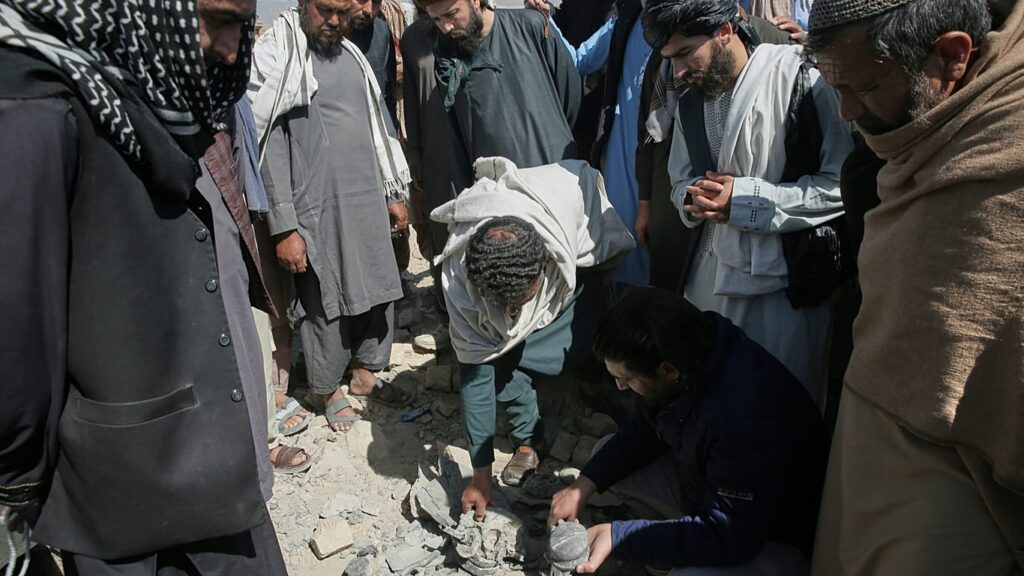
Deadly Airstrike Hits Kabul Hospital Amid Escalating Tensions
Afghanistan’s government has accused Pakistan of launching an airstrike on a drug rehabilitation hospital in Kabul, resulting in at least 400 deaths and 250 injuries. The attack, which occurred late on Monday, destroyed large sections of the 2,000-bed facility and has marked a significant escalation in the ongoing conflict between the two neighbours.
Details of the Strike
The airstrike hit the hospital in Afghanistan’s capital Kabul at about 9 pm local time. Afghanistan’s deputy government spokesperson, Hamdullah Fitrat, reported in a post on X that the death toll had so far reached 400 people, with around 250 others injured. Earlier, Afghan government spokesperson Zabihullah Mujahid stated in another post on X that those killed and injured were patients at the hospital.
The facility, described as a 2,000-bed drug rehabilitation hospital, suffered extensive damage, with large sections destroyed in the strike. This incident has drawn sharp condemnation from Afghan authorities, who directly attribute the attack to Pakistan.
Pakistan Rejects Accusations
Pakistan has firmly rejected the accusations, asserting that its military strikes in eastern Afghanistan did not target civilian sites. Pakistan’s Information Minister, Attaullah Tarar, posted on X early on Tuesday that the Pakistani military carried out precision airstrikes targeting military installations in Kabul and the eastern province of Nangarhar.
Tarar specified that the strikes destroyed technical support infrastructure and ammunition storage facilities at two locations in Kabul. He emphasised the precision nature of the operations, denying any impact on civilian areas such as hospitals.
Context of Border Clashes
The hospital strike came hours after Afghan authorities reported an exchange of fire along the Pakistan-Afghanistan border, which resulted in the deaths of four people in Afghanistan. This latest development is part of a broader escalation in hostilities that began late last month.
The conflict has involved a series of cross-border clashes and airstrikes inside Afghanistan. It started when Afghanistan launched cross-border attacks in response to Pakistani airstrikes within its territory, which Kabul claimed had killed civilians. These actions disrupted a ceasefire brokered by Qatar in October, following earlier fighting that killed dozens of soldiers, civilians, and suspected militants.
Ongoing Accusations and Regional Tensions
Islamabad has long accused Kabul of harbouring militant groups, particularly the Pakistani Taliban, which Pakistan says carry out attacks inside its borders. The incident unfolded hours after the UN Security Council urged Afghanistan’s Taliban rulers to intensify efforts to combat terrorism.
This pattern of mutual accusations has fueled a cycle of retaliation. Pakistan maintains that its operations target terrorist infrastructure, while Afghanistan insists on civilian casualties from Pakistani actions. The rejection of claims by both sides highlights the deep mistrust persisting between the two nations.
Implications for the Region
The strike on the Kabul hospital represents one of the deadliest incidents in the recent wave of cross-border violence. With a reported death toll in the hundreds and significant injuries, the event underscores the fragility of peace efforts in the region. The disruption of the Qatar-brokered ceasefire raises concerns about further destabilisation along the volatile border.
As statements continue to emerge from officials on both sides via social media platforms like X, the international community watches closely. The UN’s recent call for anti-terrorism measures adds another layer to the diplomatic pressures at play, though immediate responses from global bodies remain pending.
The precision of Pakistan’s described targets contrasts sharply with Afghanistan’s account of civilian devastation, leaving a stark divide in narratives. This discrepancy may complicate verification efforts and diplomatic resolutions in the days ahead.
For residents in Kabul and border areas, the human cost is immediate and profound, with a major healthcare facility now severely compromised. The focus now turns to potential next steps, including any emergency aid or investigations, though no such details have been confirmed yet.