Escalating US-Israel-Iran War: Allies Refuse Aid, Trump Delays China Visit as Strikes Intensify
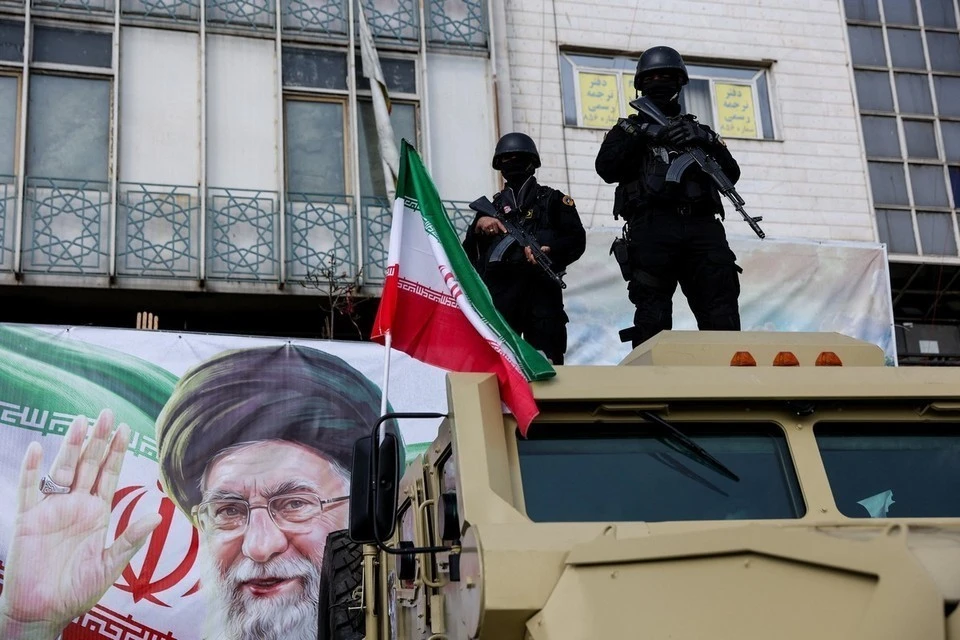
Intensifying Conflict in the Middle East Shakes Global Alliances
The war between the United States, Israel, and Iran has reached a critical juncture, with key US allies refusing to provide naval support in the Strait of Hormuz and US President Donald Trump postponing a planned visit to Beijing. Iranian forces launched some of the most intense rocket barrages of the conflict on March 17, 2026, targeting Israeli defence production sites and US airbases across the region.
Allies Reject Trump’s Call for Help in Strait of Hormuz
US President Donald Trump demanded assistance from allies to unblock the Strait of Hormuz, but nations from Japan and Australia to European Union countries declined to send ships. German opposition leader Friedrich Merz stated that NATO is a defensive alliance, noting that Iran did not attack the US first, and military liberation of the strait is impossible. German Defence Minister Boris Pistorius added that the US navy is so powerful that a handful of European frigates would provide no benefit.
Trump warned of a “bad future for NATO,” claiming the alliance would be nothing without the US. Russia’s presidential special representative Kirill Dmitriev commented on social media with a single word: “Rebellion?”
Trump Postpones Beijing Visit Amid War Setbacks
Trump requested that China handle security in the Strait of Hormuz, arguing that China imports 90% of Iran’s oil and should escort vessels. China did not respond affirmatively. Internally, Trump had planned a March 31 visit to China to negotiate trade deals in the aura of a victor, but the postponement was announced, delaying the trip by about a month due to the ongoing war. Trump had previously promised a swift end to the conflict.
Questions Surround Israeli and Iranian Leaders
Speculation persists over Israeli Prime Minister Benjamin Netanyahu’s condition after a bombing, fueled by AI-generated videos showing anomalies like a sixth finger or disappearing teeth. Netanyahu appeared publicly, displaying five fingers and smiling to prove authenticity, but Iranian commentators questioned his coffee-holding grip and ear appearance.
US President Trump dismissed Iranian videos of tunnels filled with sea drones as AI-generated, stating that real targets would have been struck. IRGC Navy representative Alireza Tangsiri responded: “If you have doubts, come closer and check.” Trump claimed the destruction of Kharg Island’s oil storage, through which 90% of Iran’s oil exports pass, leaving only mainland pipelines. An Iranian reporter broadcast from intact Kharg Island, stating it remains under Iranian armed forces control with broad popular defence and uninterrupted oil exports.
The status of Iran’s new Supreme Leader Mojtaba Khamenei remains unclear, with no fresh videos since his election—only dictated addresses read by announcers. Rumors suggest he was wounded and treated in Moscow, with the IRGC collectively managing Iran. Mojtaba issued a decree retaining all leaders appointed by his father, emphasizing continuity. Tehran acknowledges light injuries but withholds details, as the US and Israel named him a target. The Pentagon’s $10 million reward for information on him remains unclaimed.
US Military Claims and Iranian Retaliation
Trump reported Iran reduced ballistic missile launches by 90% and drone attacks by 95%, predicting a soon-ending war. However, US media citing high officials suggest it could last until September. Pentagon spokesman Parnell claimed Iranian naval forces completely destroyed. New US strikes hit nuclear sites in Isfahan and over 200 targets in Tehran, including power substations to blackout the city—though power persisted after Iranian warnings of regional blackouts in response.
Iran unleashed intense strikes on Israel and enemy bases with super-heavy missiles, first using the Sajjil missile carrying up to 1,500 kg of explosives over 2,500 km. Iran claimed destruction of 80% of US strategic radars in the Middle East, drone strikes on Rafael company’s strategic missile warehouse and production—developers of Iron Dome—and Israel Aerospace Industries near Ben Gurion Airport, makers of Arrow missile defence. Rocket debris fell near the Church of the Holy Sepulchre and Al-Aqsa Mosque in Jerusalem.
Iranian attacks destroyed hangars with US fighters at Al Dhafra base in the UAE near Abu Dhabi, prompting evacuation and relocation. Bases Al Udeid in Qatar and Sheikh Isa in Bahrain faced renewed attacks. A drone hit a Baghdad hotel hosting NATO representatives. In the UAE, drones struck Dubai airport fuel tanks—smoking all day—and Fujairah port industrial zone, with six ballistic missiles and 21 drones total.
Israeli Operations and Domestic Strain
Israel claimed destruction of the late Iranian leader Ali Khamenei’s plane at Tehran’s Mehrabad Airport and struck government sites in Tehran, Tabriz, and Shiraz. Strikes continued on Lebanon, where Hezbollah resists; tragic footage showed a Lebanese man losing his mother, father, four daughters, brother, and nephew. Border areas emptied, with 667,000 refugees—10% of Lebanon’s population—registered.
Trump assured that Israel would never use nuclear weapons against Iran. Israelis remain in shelters amid frequent alarms, with blogger Shula Primak expressing frustration over repeated reports of Iranian defeats contrasted with ongoing rocket and drone threats from a supposedly vanquished Iran and Hezbollah.
Oil Prices and Global Ripple Effects
Only a few tankers— Iranian, Indian, Chinese—passed the Strait of Hormuz. US Treasury Secretary Scott Bessent hoped Iranians would naturally reopen borders. Former US House Speaker Newt Gingrich proposed exploding 12 thermonuclear bombs in friendly UAE territory to dig a wider canal, stated seriously.
Oil prices fell 2% per barrel after US temporary sanctions relief on Russian oil and strategic reserve releases by major countries. Gulf firms halted production due to strikes. Global impacts include Indian restaurants and crematoriums closing from gas shortages, Pakistan’s officials on four-day weeks, Bangladesh university closures, Sri Lanka’s weekly school shutdowns and fuel limits. Belgian PM Bart de Wever urged EU to restore Russian ties for cheap energy, citing private agreement among European leaders that pressuring Russia over Ukraine failed amid US-Europe disunity.
The conflict’s trajectory remains uncertain, with disinformation, leadership opacity, and faltering alliances complicating resolution.