Nigerian Box Office Set to Surpass ₦20 Billion by 2026 Through Pricing Power Strategy
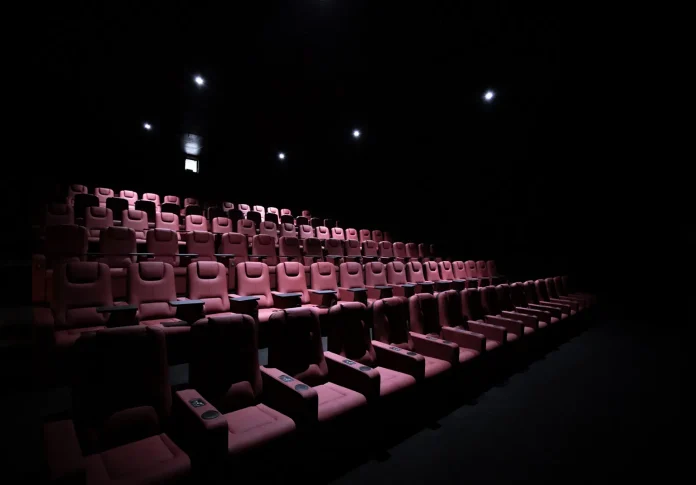
Nigeria’s Cinema Industry Eyes Historic ₦20 Billion Milestone by 2026
Nigeria’s cinema sector is poised to achieve a groundbreaking revenue target of ₦20 billion by the end of 2026, marking a significant leap from ₦11.58 billion recorded in 2024 and the projected ₦15.64 billion in 2025. This ambitious forecast, detailed in the latest West Africa Box Office (WABO) Year Book, underscores the industry’s robust growth trajectory amid evolving market dynamics.
Revenue Surge Powered by Pricing Strategy, Not Attendance Boom
While the headline figure signals prosperity, industry analysts at Nairametrics highlight a pivotal shift: the growth is primarily propelled by “Pricing Power” rather than a surge in moviegoers. Average ticket prices have risen sharply from ₦4,341 in 2024 to nearly ₦6,000 by 2026. This repositioning transforms cinema outings from affordable mass entertainment to premium, event-like experiences.
The strategic price hikes address mounting operational challenges, including escalated costs for power supply and facility maintenance. These expenses have been exacerbated by persistent inflationary pressures across the economy, compelling cinema operators to adopt measures that sustain profitability without relying solely on volume.
Modest Admissions Growth Amid Blockbuster Reliance
Admissions are expected to see only modest expansion, with projections estimating 2.95 million tickets sold in 2026. This limited uptick reveals the industry’s deepening dependence on high-impact “Blockbuster Events” to attract audiences. Major Nollywood releases, particularly from powerhouse producers like Funke Akindele and Toyin Abraham, have emerged as key drivers.
Films from these Nollywood heavyweights now command roughly 20% of total West African box office earnings. Their success demonstrates a loyal viewer base eager to invest in high-quality, culturally resonant local stories. This phenomenon highlights the value of relatable content in sustaining interest despite elevated costs.
Concentration Effect Challenges Mid-Tier Films
The dominance of top-tier titles from Nollywood and Hollywood has created a “concentration effect,” where blockbuster successes overshadow others. Mid-tier films struggle to capture attention from a diminishing segment of price-sensitive patrons. As audiences become more selective, only the most compelling releases can justify the premium pricing.
This polarization means that while record-breaking hits continue to thrive, a broader range of productions faces heightened competition for limited theatre seats and viewer wallets. The trend emphasizes the need for quality and star power to maintain viability in an increasingly discerning market.
Diversification Through Premium Experiences
To counter these pressures, cinema operators are aggressively diversifying revenue sources. Approximately 70% of new cinema sites now incorporate “Premium” or “VIP” screens, offering enhanced experiences such as 3D or DBOX formats at prices reaching up to ₦14,000 per ticket. These upscale options cater to audiences seeking luxury and exclusivity, boosting per-seat yields significantly.
This pivot reflects a broader industry consolidation. Rather than pursuing rapid expansion of cinema locations, stakeholders are prioritizing revenue maximization from existing infrastructure. The strategy ensures that even with subdued attendance figures, overall box office performance remains strong.
Strategic Implications for Nigeria’s Entertainment Landscape
The evolution toward pricing power and premium offerings carries profound implications for Nigeria’s entertainment ecosystem. Cinema chains are adapting to economic realities by curating experiences that align with consumers’ willingness to pay more for value-added entertainment. Nollywood’s rising influence, evidenced by its substantial share of regional earnings, positions local filmmakers as central to this growth narrative.
For Funke Akindele and Toyin Abraham, their films’ outsized contributions validate investments in production quality and marketing. These successes not only pad box office totals but also reinforce Nollywood’s competitive edge against international fare. As the sector matures, the balance between accessibility and premium positioning will shape its long-term sustainability.
Operational Realities Driving Change
At the core of these adaptations lie unrelenting operational costs. Power outages and maintenance demands have long plagued Nigeria’s cinemas, with inflation amplifying the burden. Operators’ response—elevating prices and introducing tiered seating—demonstrates pragmatic resilience. By converting halls into high-yield venues, the industry mitigates risks associated with economic volatility.
The WABO Year Book’s projections affirm that this approach is yielding results. From 2024’s baseline, the compounded growth to ₦20 billion illustrates effective yield management. Admissions may not explode, but strategic pricing ensures financial health, paving the way for further innovation.
Future Focus: Yield Over Expansion
Looking ahead to 2026, the emphasis on “maximizing yield per seat” signals a mature phase for Nigerian cinemas. Operators anticipate fewer but more profitable visitors, sustained by blockbuster draws and premium amenities. This model promises resilience against external shocks, keeping the box office “ringing loud” irrespective of footfall.
As Nollywood stars like Funke Akindele and Toyin Abraham continue to deliver hits, their role in anchoring revenue becomes indispensable. The industry’s trajectory offers a blueprint for balancing growth with fiscal prudence, potentially inspiring other entertainment segments.
The ₦20 billion milestone represents more than a numerical achievement; it encapsulates a sector’s adaptive ingenuity. Through pricing power, diversification, and blockbuster reliance, Nigeria’s cinemas are scripting their most lucrative chapter yet.
Source: https://bizwatchnigeria.ng/nigeria-box-office-20-billion-revenue-pricing-power-2026/